'%3e%3cpath%20fill='%23000000'%20d='M%20187.351562%20355.476562%20C%20231.136719%20329.285156%20268.164062%20300.445312%20297.363281%20271.015625%20C%20334.195312%20233.894531%20358.582031%20195.84375%20368.378906%20160.996094%20C%20374.691406%20138.550781%20374.953125%20117.4375%20368.59375%2098.757812%20C%20357.335938%2065.6875%20318.261719%2019.476562%20269.023438%2022.695312%20C%20262.789062%2023.105469%20256.894531%2024.269531%20251.339844%2026.003906%20C%20211.660156%2038.40625%20189.488281%2080.054688%20187.351562%2084.21875%20C%20185.101562%2079.851562%20160.792969%2034.183594%20117.328125%2024.382812%20C%20113.585938%2023.539062%20109.703125%2022.960938%20105.675781%2022.699219%20C%2056.4375%2019.476562%2017.359375%2065.6875%206.105469%2098.757812%20C%200.601562%20114.921875%200.0585938%20132.910156%204.097656%20152.007812%20C%2011.980469%20189.238281%2037.304688%20230.675781%2077.332031%20271.015625%20C%20106.535156%20300.441406%20143.558594%20329.285156%20187.347656%20355.476562%20Z%20M%2030.117188%20124.824219%20C%2030.492188%20123.480469%2030.894531%20122.152344%2031.347656%20120.839844%20C%2041.03125%2092.375%2074.667969%2052.597656%20117.050781%2055.367188%20C%20160.742188%2058.21875%20185.25%20104.234375%20187.351562%20108.320312%20C%20189.449219%20104.234375%20213.957031%2058.21875%20257.652344%2055.367188%20C%20300.035156%2052.59375%20333.667969%2092.371094%20343.359375%20120.839844%20C%20343.804688%20122.15625%20344.214844%20123.484375%20344.585938%20124.824219%20C%20355.957031%20165.894531%20331.910156%20219.589844%20280.136719%20271.015625%20C%20255.304688%20295.683594%20224.09375%20319.828125%20187.351562%20341.808594%20C%20150.609375%20319.832031%20119.402344%20295.6875%2094.566406%20271.015625%20C%2042.796875%20219.589844%2018.75%20165.894531%2030.117188%20124.824219%20Z%20M%2030.117188%20124.824219%20'%20fill-opacity='1'%20fill-rule='nonzero'/%3e%3c/g%3e%3cpath%20fill='%23ffffff'%20d='M%20218.261719%20259.667969%20C%20243.511719%20259.667969%20265.257812%20242.285156%20275.085938%20217.28125%20C%20274.171875%20218.359375%20273.222656%20219.414062%20272.230469%20220.4375%20C%20248.609375%20244.777344%20212.445312%20242.3125%20191.449219%20214.929688%20C%20170.453125%20187.542969%20172.578125%20145.609375%20196.199219%20121.265625%20C%20197.191406%20120.242188%20198.207031%20119.269531%20199.242188%20118.34375%20C%20174.066406%20127.671875%20155.835938%20155.011719%20155.835938%20187.292969%20C%20155.835938%20227.261719%20183.785156%20259.664062%20218.261719%20259.664062%20Z%20M%20218.261719%20259.667969%20'%20fill-opacity='1'%20fill-rule='nonzero'/%3e%3cpath%20fill='%23ffffff'%20d='M%20244.90625%20178.804688%20L%20252.550781%20163.679688%20L%20267.316406%20167.433594%20L%20257.273438%20154.332031%20L%20264.914062%20139.214844%20L%20251.066406%20146.238281%20L%20241.023438%20133.136719%20L%20242.503906%20150.582031%20L%20228.65625%20157.609375%20L%20243.421875%20161.359375%20Z%20M%20244.90625%20178.804688%20'%20fill-opacity='1'%20fill-rule='nonzero'/%3e%3c/svg%3e)
· Talha Abdullah · Travel · 6 min read
Exploring Pakistan by Rickshaw: The Ultimate Local Experience
Discover Pakistan's vibrant streets from the colorful, chaotic, and utterly charming perspective of a rickshaw—the country's most iconic mode of transport.
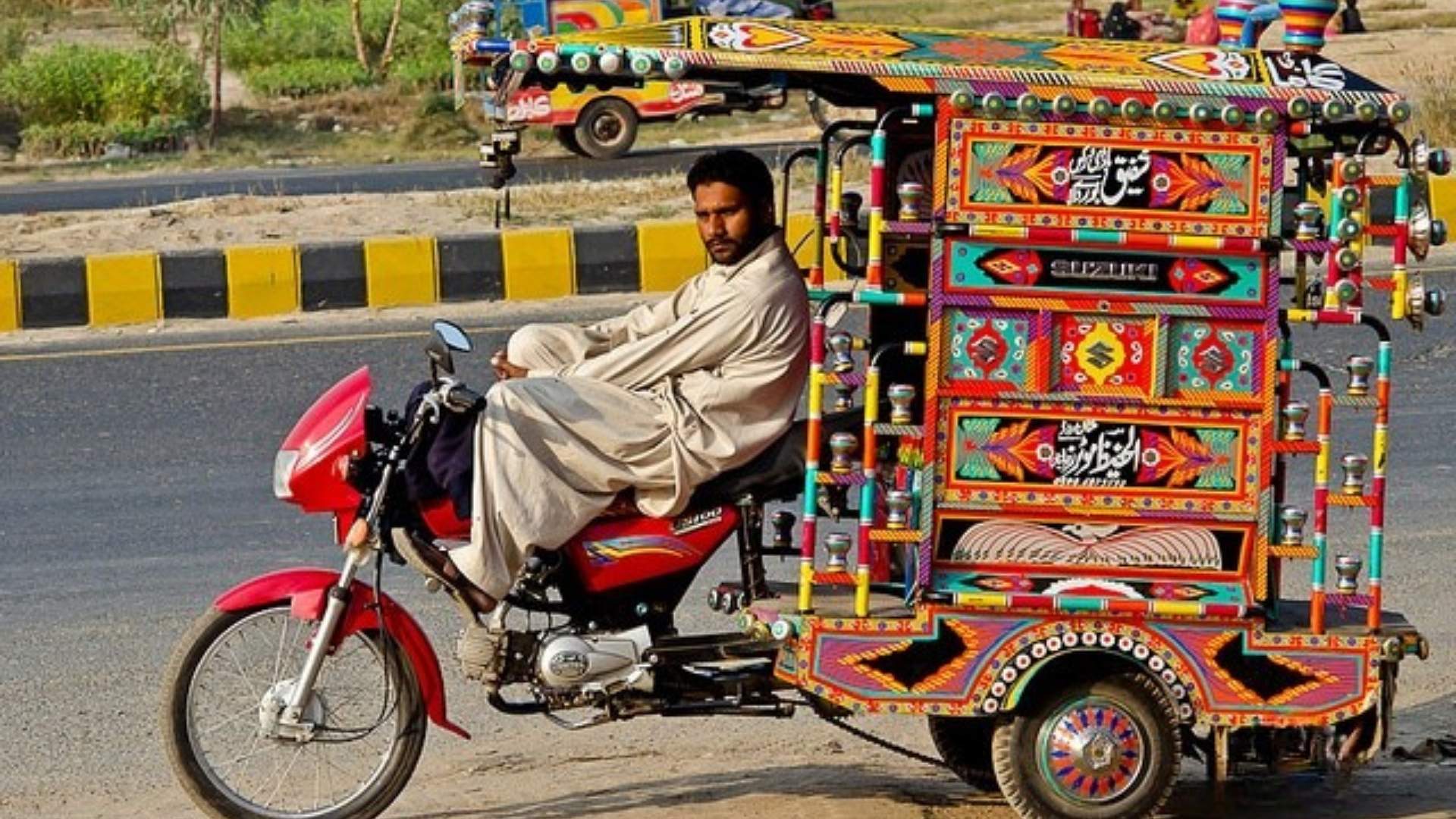
If you want to truly experience Pakistan, you need to ride a rickshaw. These three-wheeled, brightly decorated vehicles are more than just transportation—they’re mobile art galleries, cultural icons, and the heartbeat of Pakistani street life. A rickshaw ride is an adventure that engages all your senses and gives you an authentic taste of local life.
What is a Rickshaw?
The auto-rickshaw, locally called “rickshaw” or sometimes “tuk-tuk,” is a three-wheeled motorized vehicle that serves as one of Pakistan’s primary modes of public transport. But calling it just a vehicle would be an understatement—it’s a cultural phenomenon.
Types of Rickshaws
Auto-Rickshaw: The motorized version, most common in cities
Qingqi: A larger, Chinese-made rickshaw that can fit more passengers
Chingchi: Similar to Qingqi, popular in smaller cities
Traditional Rickshaw: Pedal-powered, now rare but still found in some areas
The Art of Rickshaw Decoration
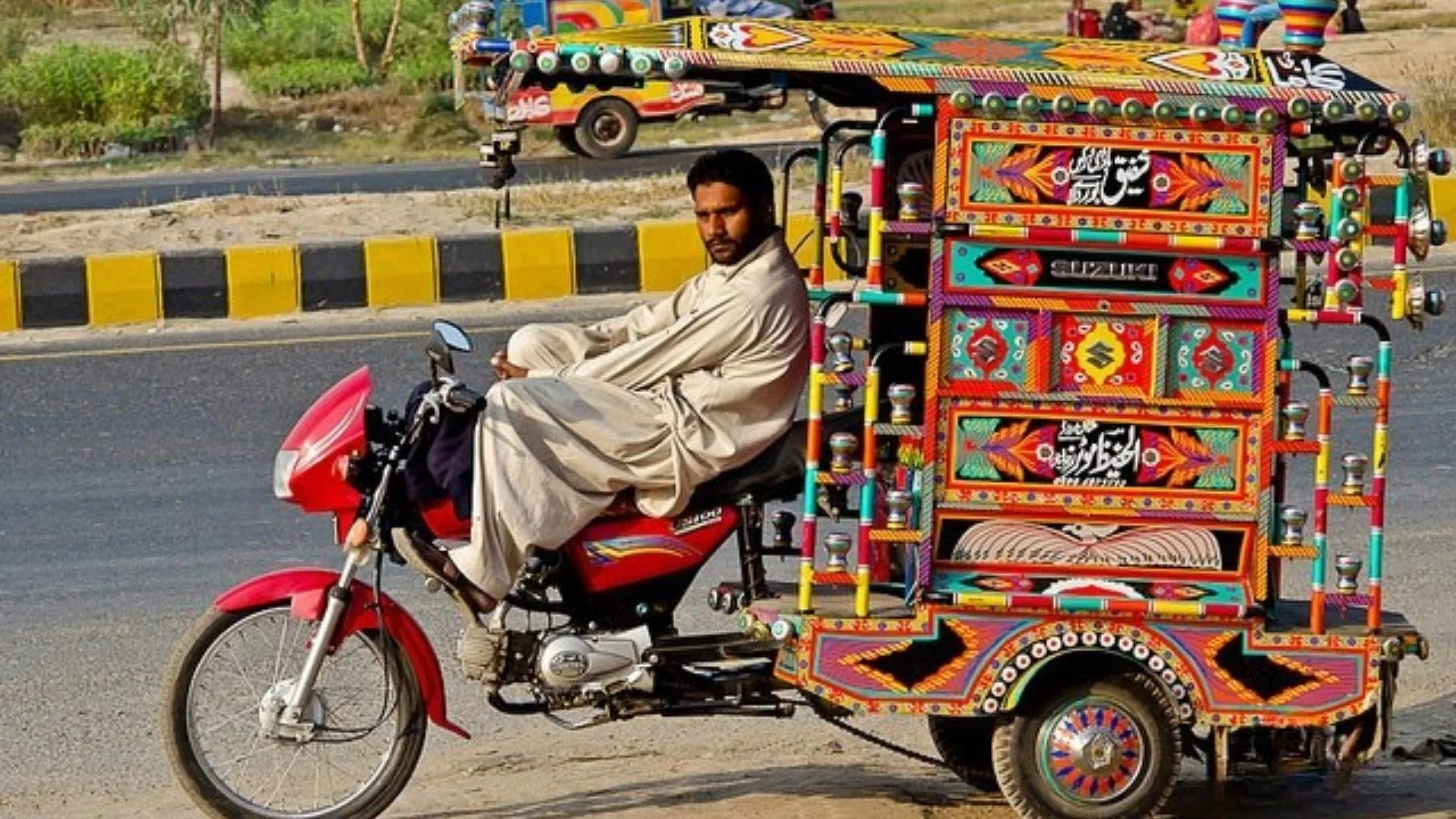
What sets Pakistani rickshaws apart from those in other countries is their spectacular decoration. Rickshaw owners take immense pride in customizing their vehicles, turning them into moving works of art.
Common Decorative Elements
Colorful Paintings: Landscapes, flowers, celebrities, religious imagery, and patriotic themes
Reflective Stickers: Creating a disco-ball effect, especially beautiful at night
Tassels and Fringes: Hanging from the roof and sides, swaying with movement
LED Lights: Modern additions that make rickshaws glow at night
Sound Systems: Many rickshaws have impressive audio setups playing everything from pop music to religious recitations
Calligraphy: Urdu poetry, philosophical quotes, or humorous sayings
The Philosophy Behind Decoration
For many drivers, their rickshaw is their livelihood, their pride, and their canvas for self-expression. The decoration reflects:
- Personal taste and style
- Cultural and religious identity
- Desire to attract customers
- Competition with other drivers
- Pure joy in beautification
The Rickshaw Experience
The Ride
Riding a rickshaw is unlike any other form of transportation:
Open-Air: Feel the breeze (and sometimes the heat) as you zip through streets
Intimate: Close enough to the street to smell food cooking, hear conversations, and observe daily life
Adventurous: Rickshaw drivers navigate traffic with impressive skill and sometimes hair-raising maneuvers
Social: Often shared with other passengers, leading to interesting conversations
Sounds and Sensations
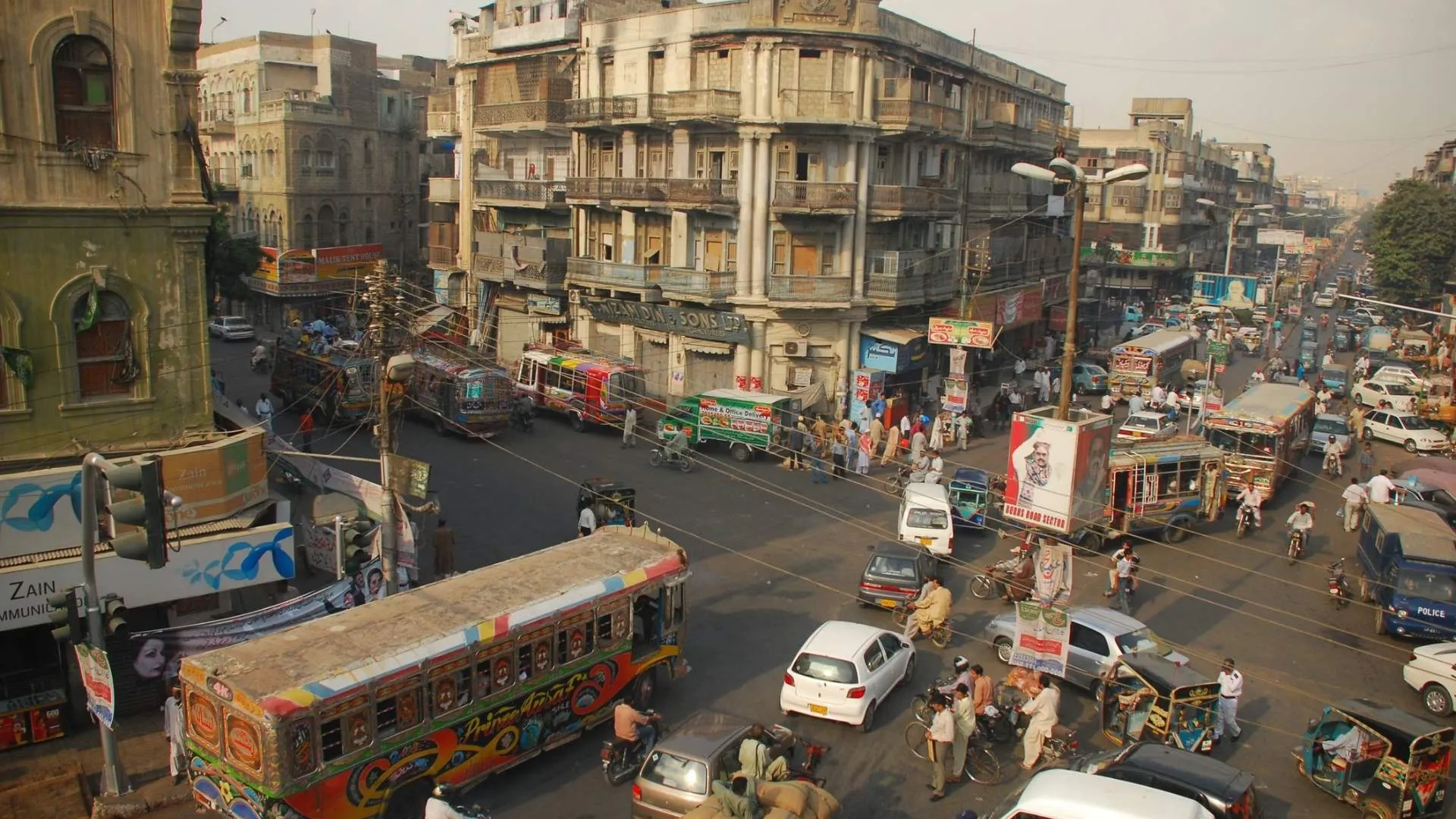
A rickshaw ride is a sensory experience:
The Engine: The distinctive put-put-put sound of the two-stroke engine
The Horn: Used liberally to navigate traffic
The Music: Many rickshaws play music, from traditional qawwali to modern pop
The Smells: Street food, flowers, spices, and the occasional whiff of exhaust
The Sights: An unobstructed view of street life, architecture, and people
Rickshaw Culture
The Drivers
Rickshaw drivers are an integral part of Pakistani urban culture. They’re:
Navigators: Know every shortcut and back alley in their city
Conversationalists: Often friendly and willing to chat about everything from politics to cricket
Entrepreneurs: Many own their rickshaws and work long hours to support families
Cultural Ambassadors: For tourists, they’re often the first real interaction with local life
Rickshaw Wisdom
Many rickshaws display philosophical or humorous sayings:
- “Dekh Kar Chalo” (Watch where you’re going)
- “Dil Dil Pakistan” (Heart, Heart Pakistan - patriotic slogan)
- “Maa ki Dua” (Mother’s prayers)
- “Slow and Steady Wins the Race” (in English, ironically)
- Poetry couplets from famous Urdu poets
Practical Guide to Riding Rickshaws
How to Hail a Rickshaw
- Stand at the roadside and make eye contact with approaching rickshaws
- Wave your hand to signal you need a ride
- Tell the driver your destination before getting in
- Negotiate the fare (or ensure the meter is running)
Fare Negotiation
Metered Rickshaws: Some cities have metered rickshaws—always prefer these
Negotiated Fares:
- Ask locals for typical fares to your destination
- Negotiate before starting the journey
- Be firm but fair
- Expect to pay slightly more as a tourist, but don’t overpay
Typical Fares: Usually very affordable, ranging from 50-300 PKR for most city trips
Safety Tips
Choose Wisely:
- Well-maintained rickshaws are safer
- Avoid overcrowded rickshaws
- Use ride-hailing apps for added security
During the Ride:
- Hold on to the handles
- Keep belongings secure
- Don’t lean out too far
- Trust the driver’s navigation skills
For Solo Travelers:
- Share your ride details with someone
- Sit in the middle of the seat
- Keep valuables hidden
- Use registered rickshaws when possible
Regional Variations
Lahore Rickshaws
Known for elaborate decorations and competitive styling. Lahore’s rickshaws often feature:
- Mughal-inspired artwork
- Cricket stars and celebrities
- Elaborate LED light displays
- Premium sound systems
Karachi Rickshaws
More utilitarian but still decorated. Karachi rickshaws are:
- Often faster-paced (matching the city’s energy)
- Decorated with coastal and maritime themes
- Known for skilled navigation through dense traffic
Peshawar Rickshaws
Reflect Pashtun culture with:
- Traditional patterns and colors
- More conservative decorations
- Sturdy build for hilly terrain
Islamabad Rickshaws
The capital’s rickshaws are:
- Generally newer and better maintained
- Subject to stricter regulations
- Often cleaner and more organized
Modern Evolution
Ride-Hailing Apps
Technology has transformed rickshaw services:
Bykea: Motorcycle and rickshaw rides via app
InDriver: Allows fare negotiation through the app
Careem: Includes rickshaw options in some cities
Benefits:
- Fixed, transparent pricing
- Safety features (GPS tracking, driver ratings)
- Cashless payment options
- No language barrier
Electric Rickshaws
Environmental concerns are driving change:
- Quieter operation
- Lower emissions
- Government incentives for adoption
- Growing presence in major cities
Rickshaw Tours
Specialized Experiences
Some tour operators offer curated rickshaw experiences:
Heritage Tours: Explore old city areas in decorated rickshaws
Food Tours: Rickshaw-hopping between street food spots
Photography Tours: Capture city life from a rickshaw perspective
Night Tours: Experience the city’s nightlife and illuminated rickshaws
Our Rangeela Rickshaw Tour
We offer a special Rangeela Rickshaw Tour that combines:
- Ride in a specially decorated rickshaw
- Visit colorful markets and bazaars
- Stop at street food vendors
- Photography opportunities
- Local guide explaining rickshaw culture
Cultural Significance
In Pakistani Society
Rickshaws represent:
Accessibility: Affordable transport for all economic classes
Entrepreneurship: Many drivers are small business owners
Creativity: A canvas for artistic expression
Community: Drivers often form associations and support networks
In Popular Culture
Rickshaws appear in:
- Pakistani films and dramas
- Music videos
- Art installations
- Tourism campaigns
- Social media content
Environmental Considerations
The Challenge
Traditional two-stroke engines:
- Produce significant emissions
- Contribute to urban air pollution
- Are noisy
The Solution
CNG Conversion: Many rickshaws now run on compressed natural gas
Electric Rickshaws: Growing adoption of battery-powered vehicles
Regulations: Stricter emission standards in major cities
Maintenance: Better upkeep reduces pollution
Tips for Tourists
Making the Most of Your Rickshaw Experience
Embrace the Adventure: Don’t expect Western standards of comfort
Communicate Clearly: Use landmarks if you don’t speak Urdu
Be Patient: Traffic can be chaotic, trust the process
Take Photos: But always ask the driver’s permission first
Tip Generously: If you had a good experience, a small tip is appreciated
Learn Basic Urdu: “Seedha” (straight), “Dayen” (right), “Bayen” (left), “Ruko” (stop)
What to Avoid
Don’t:
- Criticize the driving style
- Expect air conditioning
- Be in a rush during peak hours
- Forget to agree on fare beforehand
- Disrespect the driver or vehicle
The Future of Rickshaws
Despite modernization, rickshaws remain relevant:
Adaptability: Evolving with technology and environmental needs
Cultural Value: Too iconic to disappear
Economic Importance: Provide livelihoods for thousands
Tourist Appeal: Increasingly popular for authentic experiences
Conclusion
A rickshaw ride in Pakistan is more than getting from point A to point B—it’s an immersion into the country’s vibrant street culture. The colorful decorations, the skilled navigation through chaotic traffic, the friendly banter with drivers, and the unfiltered view of daily life make it an essential Pakistani experience.
Whether you’re zipping through Lahore’s historic streets, navigating Karachi’s bustling roads, or exploring Islamabad’s organized avenues, a rickshaw ride offers a perspective you simply can’t get from a car or bus. It’s chaotic, colorful, sometimes crazy, but always memorable.
So next time you’re in Pakistan, skip the taxi and hop into a rickshaw. Hold on tight, enjoy the ride, and experience the country the way locals do—one colorful, bouncy, unforgettable journey at a time.
Want to experience Pakistan’s rickshaw culture with a local guide? Join our Rangeela Rickshaw Tour for a colorful journey through Lahore’s vibrant streets.