'%3e%3cpath%20fill='%23000000'%20d='M%20187.351562%20355.476562%20C%20231.136719%20329.285156%20268.164062%20300.445312%20297.363281%20271.015625%20C%20334.195312%20233.894531%20358.582031%20195.84375%20368.378906%20160.996094%20C%20374.691406%20138.550781%20374.953125%20117.4375%20368.59375%2098.757812%20C%20357.335938%2065.6875%20318.261719%2019.476562%20269.023438%2022.695312%20C%20262.789062%2023.105469%20256.894531%2024.269531%20251.339844%2026.003906%20C%20211.660156%2038.40625%20189.488281%2080.054688%20187.351562%2084.21875%20C%20185.101562%2079.851562%20160.792969%2034.183594%20117.328125%2024.382812%20C%20113.585938%2023.539062%20109.703125%2022.960938%20105.675781%2022.699219%20C%2056.4375%2019.476562%2017.359375%2065.6875%206.105469%2098.757812%20C%200.601562%20114.921875%200.0585938%20132.910156%204.097656%20152.007812%20C%2011.980469%20189.238281%2037.304688%20230.675781%2077.332031%20271.015625%20C%20106.535156%20300.441406%20143.558594%20329.285156%20187.347656%20355.476562%20Z%20M%2030.117188%20124.824219%20C%2030.492188%20123.480469%2030.894531%20122.152344%2031.347656%20120.839844%20C%2041.03125%2092.375%2074.667969%2052.597656%20117.050781%2055.367188%20C%20160.742188%2058.21875%20185.25%20104.234375%20187.351562%20108.320312%20C%20189.449219%20104.234375%20213.957031%2058.21875%20257.652344%2055.367188%20C%20300.035156%2052.59375%20333.667969%2092.371094%20343.359375%20120.839844%20C%20343.804688%20122.15625%20344.214844%20123.484375%20344.585938%20124.824219%20C%20355.957031%20165.894531%20331.910156%20219.589844%20280.136719%20271.015625%20C%20255.304688%20295.683594%20224.09375%20319.828125%20187.351562%20341.808594%20C%20150.609375%20319.832031%20119.402344%20295.6875%2094.566406%20271.015625%20C%2042.796875%20219.589844%2018.75%20165.894531%2030.117188%20124.824219%20Z%20M%2030.117188%20124.824219%20'%20fill-opacity='1'%20fill-rule='nonzero'/%3e%3c/g%3e%3cpath%20fill='%23ffffff'%20d='M%20218.261719%20259.667969%20C%20243.511719%20259.667969%20265.257812%20242.285156%20275.085938%20217.28125%20C%20274.171875%20218.359375%20273.222656%20219.414062%20272.230469%20220.4375%20C%20248.609375%20244.777344%20212.445312%20242.3125%20191.449219%20214.929688%20C%20170.453125%20187.542969%20172.578125%20145.609375%20196.199219%20121.265625%20C%20197.191406%20120.242188%20198.207031%20119.269531%20199.242188%20118.34375%20C%20174.066406%20127.671875%20155.835938%20155.011719%20155.835938%20187.292969%20C%20155.835938%20227.261719%20183.785156%20259.664062%20218.261719%20259.664062%20Z%20M%20218.261719%20259.667969%20'%20fill-opacity='1'%20fill-rule='nonzero'/%3e%3cpath%20fill='%23ffffff'%20d='M%20244.90625%20178.804688%20L%20252.550781%20163.679688%20L%20267.316406%20167.433594%20L%20257.273438%20154.332031%20L%20264.914062%20139.214844%20L%20251.066406%20146.238281%20L%20241.023438%20133.136719%20L%20242.503906%20150.582031%20L%20228.65625%20157.609375%20L%20243.421875%20161.359375%20Z%20M%20244.90625%20178.804688%20'%20fill-opacity='1'%20fill-rule='nonzero'/%3e%3c/svg%3e)
· Talha Abdullah · Travel · 4 min read
Hunza Valley: Pakistan's Hidden Paradise on Earth
Discover the breathtaking beauty of Hunza Valley, where snow-capped peaks meet ancient cultures and warm hospitality in one of Pakistan's most stunning destinations.
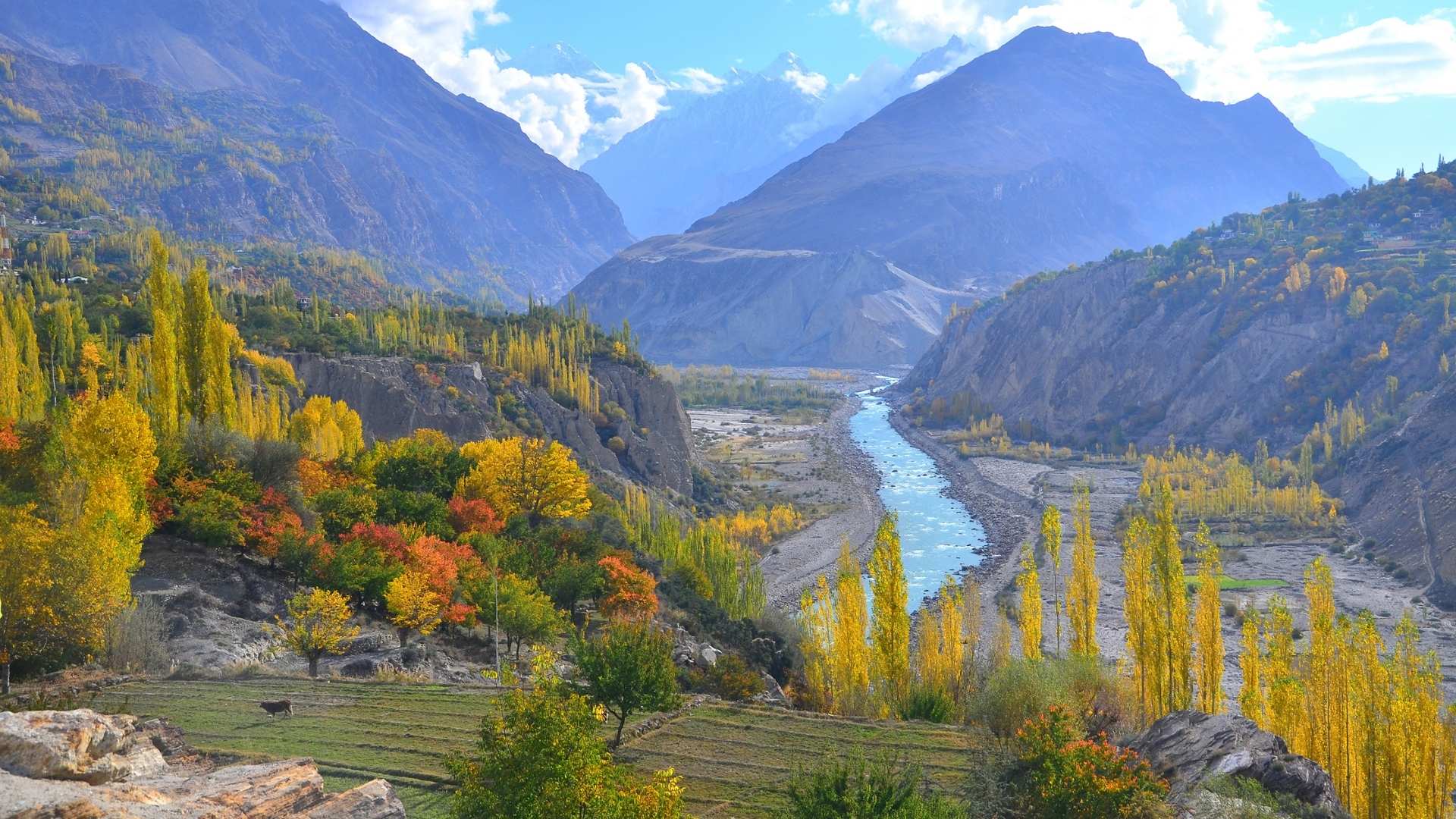
Nestled in the heart of the Karakoram mountain range, Hunza Valley is often described as heaven on earth—and for good reason. This spectacular valley in northern Pakistan offers visitors a unique blend of natural beauty, rich culture, and warm hospitality that leaves an indelible mark on every traveler’s heart.
A Land of Majestic Peaks
Hunza Valley is surrounded by some of the world’s highest mountains, including Rakaposhi (7,788m), Ultar Sar (7,388m), and the legendary Ladyfinger Peak (6,000m). These snow-capped giants create a dramatic backdrop that changes with the light throughout the day, offering photographers and nature lovers endless opportunities to capture breathtaking moments.
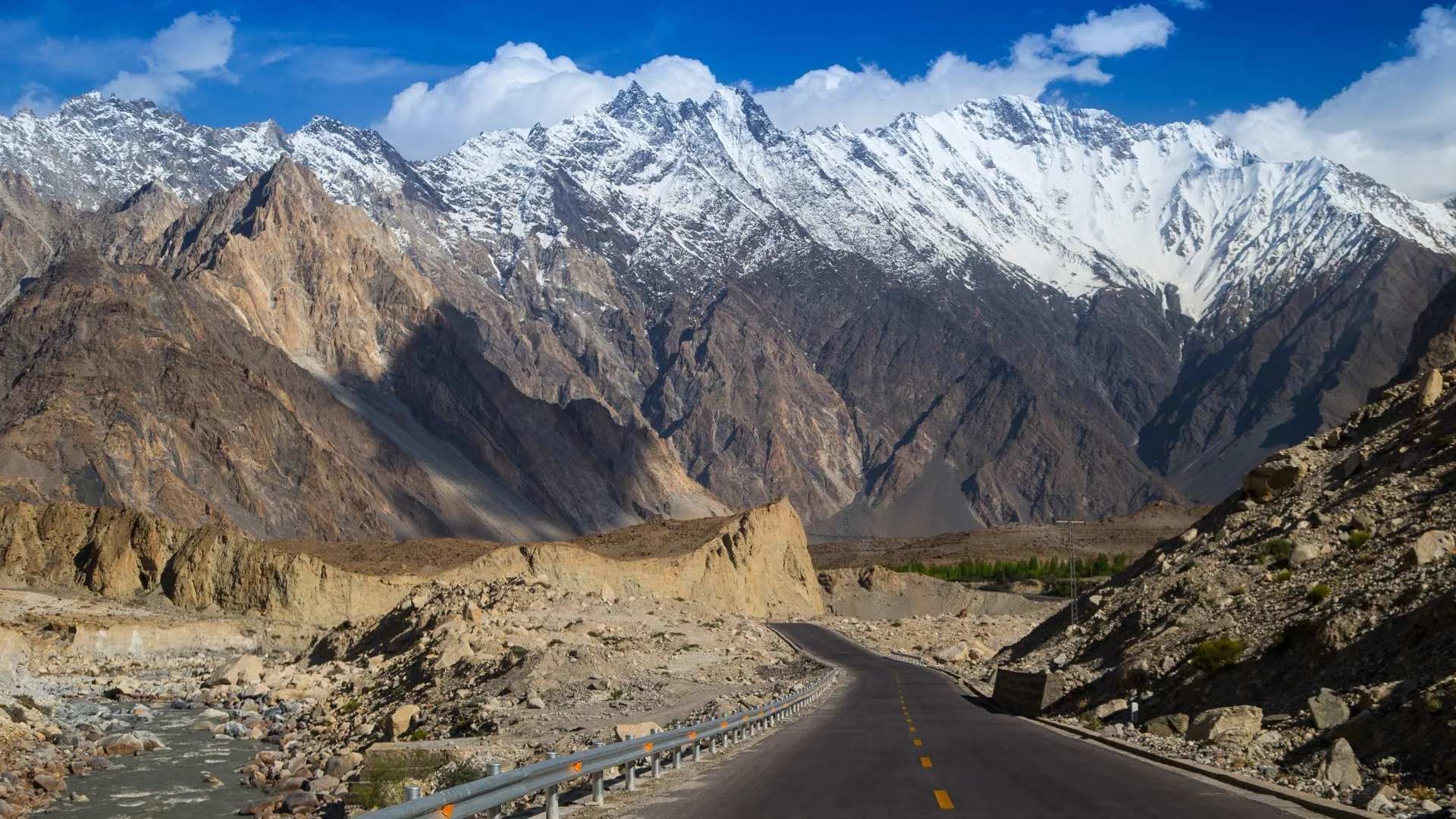
The journey to Hunza along the legendary Karakoram Highway is an adventure in itself. Often called the “Eighth Wonder of the World,” this engineering marvel winds through dramatic gorges and alongside roaring rivers, offering spectacular views at every turn.
Four Seasons of Beauty
What makes Hunza truly special is its distinct beauty across all four seasons:
Spring (March-May)
The valley transforms into a sea of pink and white as thousands of apricot and cherry trees burst into bloom. The contrast of delicate blossoms against the snow-covered peaks is simply magical.
Summer (June-August)
Lush green terraced fields, crystal-clear streams, and pleasant weather make summer the perfect time for trekking and outdoor adventures. The famous Attabad Lake shimmers in brilliant turquoise, inviting visitors for boat rides.
Autumn (September-November)
Golden and amber hues paint the landscape as leaves change color. The harvest season brings fresh apricots, apples, and walnuts, and the crisp mountain air is invigorating.
Winter (December-February)
Snow blankets the valley, creating a winter wonderland. While some areas become inaccessible, the serene beauty and peaceful atmosphere attract those seeking tranquility.
Rich Cultural Heritage
Hunza isn’t just about natural beauty—it’s home to the warm and welcoming Hunzakut people, known for their longevity and hospitality. The region has a fascinating history, having been an independent princely state until 1974.
Ancient Forts
- Baltit Fort: A 700-year-old architectural marvel offering panoramic valley views
- Altit Fort: Even older than Baltit, showcasing traditional Hunza architecture
- Ganish Village: An ancient settlement with traditional houses and narrow lanes
Local Culture
The people of Hunza speak Burushaski, a language isolate with no known linguistic relatives. Their unique culture, traditional music, and handicrafts reflect centuries of heritage preserved in these mountain valleys.
Culinary Delights
Hunza cuisine is a delightful surprise for food lovers:
- Hunza Bread (Chapshuro): A meat-filled flatbread that’s perfect for cold mountain evenings
- Apricot Oil: Locally produced and used in traditional cooking
- Dried Fruits: Hunza is famous for its organic apricots, mulberries, and walnuts
- Hunza Water: The glacial meltwater is believed to contribute to the locals’ legendary longevity
Adventure Awaits
For adventure enthusiasts, Hunza offers countless opportunities:
- Trekking: Routes ranging from easy walks to challenging multi-day treks
- Rock Climbing: World-class climbing on granite walls
- Jeep Safaris: Explore remote valleys and high-altitude passes
- Photography: Capture stunning landscapes, traditional villages, and local life
The Hunza Experience
What truly sets Hunza apart is the warmth of its people. Locals greet visitors with genuine smiles and often invite travelers to share tea and stories. This hospitality, combined with the valley’s natural splendor, creates an experience that goes beyond typical tourism.
Practical Tips for Visitors
Best Time to Visit: April-May for blossoms, June-September for trekking, October for autumn colors
Getting There: Fly to Gilgit and drive 2-3 hours, or take the scenic route from Islamabad (18-20 hours)
Where to Stay: Options range from budget guesthouses to luxury hotels, many offering spectacular mountain views
What to Pack: Layers for changing weather, comfortable walking shoes, sunscreen, and a good camera
Sustainable Tourism
As Hunza gains popularity, it’s crucial to practice responsible tourism. Respect local customs, avoid littering, support local businesses, and help preserve this pristine environment for future generations.
Conclusion
Hunza Valley is more than a destination—it’s an experience that touches the soul. Whether you’re seeking adventure, cultural immersion, or simply a peaceful retreat surrounded by nature’s grandeur, Hunza delivers in ways that exceed expectations. The combination of stunning landscapes, rich culture, and genuine hospitality makes it a must-visit destination for anyone exploring Pakistan.
Come discover why travelers from around the world fall in love with Hunza Valley, and why many find themselves returning again and again to this paradise on earth.
Ready to experience Hunza Valley for yourself? Join one of our guided tours and let us show you the magic of northern Pakistan. Contact us to plan your adventure.