'%3e%3cpath%20fill='%23000000'%20d='M%20187.351562%20355.476562%20C%20231.136719%20329.285156%20268.164062%20300.445312%20297.363281%20271.015625%20C%20334.195312%20233.894531%20358.582031%20195.84375%20368.378906%20160.996094%20C%20374.691406%20138.550781%20374.953125%20117.4375%20368.59375%2098.757812%20C%20357.335938%2065.6875%20318.261719%2019.476562%20269.023438%2022.695312%20C%20262.789062%2023.105469%20256.894531%2024.269531%20251.339844%2026.003906%20C%20211.660156%2038.40625%20189.488281%2080.054688%20187.351562%2084.21875%20C%20185.101562%2079.851562%20160.792969%2034.183594%20117.328125%2024.382812%20C%20113.585938%2023.539062%20109.703125%2022.960938%20105.675781%2022.699219%20C%2056.4375%2019.476562%2017.359375%2065.6875%206.105469%2098.757812%20C%200.601562%20114.921875%200.0585938%20132.910156%204.097656%20152.007812%20C%2011.980469%20189.238281%2037.304688%20230.675781%2077.332031%20271.015625%20C%20106.535156%20300.441406%20143.558594%20329.285156%20187.347656%20355.476562%20Z%20M%2030.117188%20124.824219%20C%2030.492188%20123.480469%2030.894531%20122.152344%2031.347656%20120.839844%20C%2041.03125%2092.375%2074.667969%2052.597656%20117.050781%2055.367188%20C%20160.742188%2058.21875%20185.25%20104.234375%20187.351562%20108.320312%20C%20189.449219%20104.234375%20213.957031%2058.21875%20257.652344%2055.367188%20C%20300.035156%2052.59375%20333.667969%2092.371094%20343.359375%20120.839844%20C%20343.804688%20122.15625%20344.214844%20123.484375%20344.585938%20124.824219%20C%20355.957031%20165.894531%20331.910156%20219.589844%20280.136719%20271.015625%20C%20255.304688%20295.683594%20224.09375%20319.828125%20187.351562%20341.808594%20C%20150.609375%20319.832031%20119.402344%20295.6875%2094.566406%20271.015625%20C%2042.796875%20219.589844%2018.75%20165.894531%2030.117188%20124.824219%20Z%20M%2030.117188%20124.824219%20'%20fill-opacity='1'%20fill-rule='nonzero'/%3e%3c/g%3e%3cpath%20fill='%23ffffff'%20d='M%20218.261719%20259.667969%20C%20243.511719%20259.667969%20265.257812%20242.285156%20275.085938%20217.28125%20C%20274.171875%20218.359375%20273.222656%20219.414062%20272.230469%20220.4375%20C%20248.609375%20244.777344%20212.445312%20242.3125%20191.449219%20214.929688%20C%20170.453125%20187.542969%20172.578125%20145.609375%20196.199219%20121.265625%20C%20197.191406%20120.242188%20198.207031%20119.269531%20199.242188%20118.34375%20C%20174.066406%20127.671875%20155.835938%20155.011719%20155.835938%20187.292969%20C%20155.835938%20227.261719%20183.785156%20259.664062%20218.261719%20259.664062%20Z%20M%20218.261719%20259.667969%20'%20fill-opacity='1'%20fill-rule='nonzero'/%3e%3cpath%20fill='%23ffffff'%20d='M%20244.90625%20178.804688%20L%20252.550781%20163.679688%20L%20267.316406%20167.433594%20L%20257.273438%20154.332031%20L%20264.914062%20139.214844%20L%20251.066406%20146.238281%20L%20241.023438%20133.136719%20L%20242.503906%20150.582031%20L%20228.65625%20157.609375%20L%20243.421875%20161.359375%20Z%20M%20244.90625%20178.804688%20'%20fill-opacity='1'%20fill-rule='nonzero'/%3e%3c/svg%3e)
· Talha Abdullah · Language · 5 min read
Learning Urdu: Your Gateway to Pakistani Culture
Discover why learning Urdu opens doors to understanding Pakistani culture, poetry, and the hearts of over 230 million speakers worldwide.
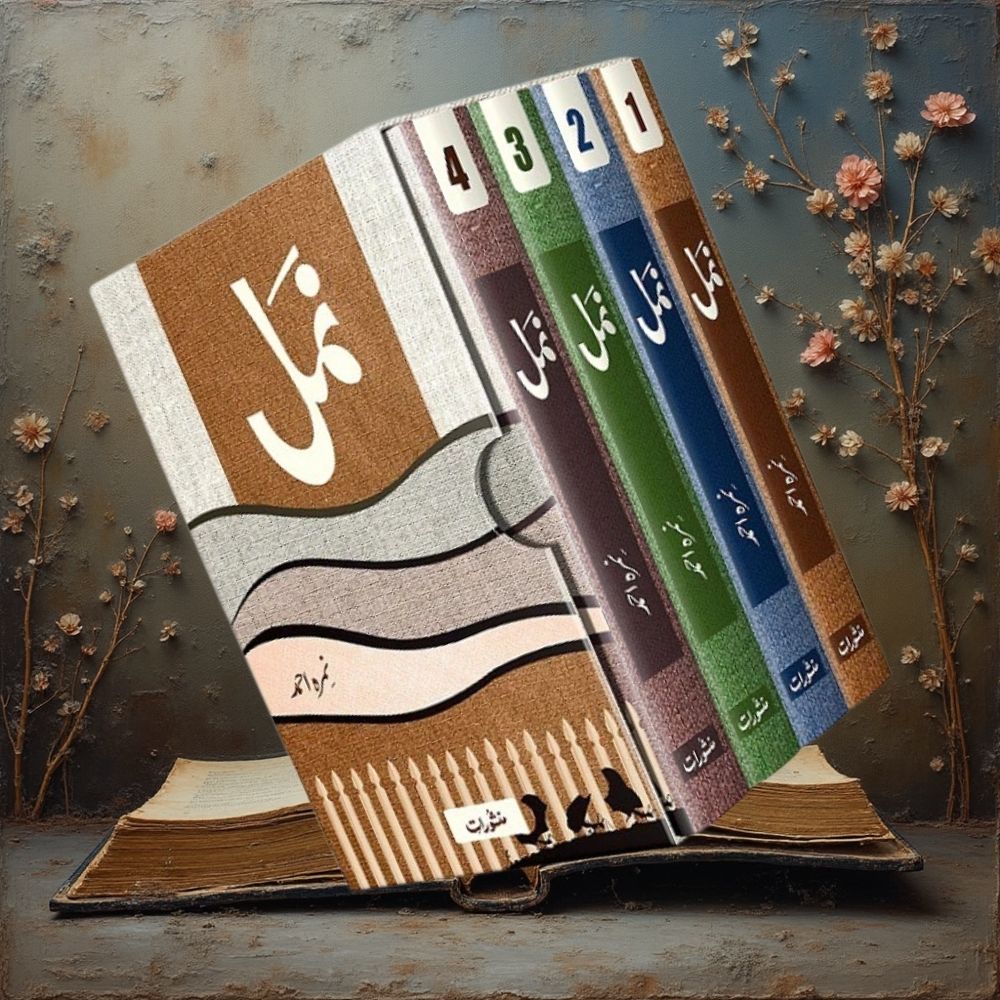
Urdu is more than just a language—it’s a bridge to understanding the soul of Pakistan and the broader South Asian culture. Spoken by over 230 million people worldwide, Urdu is the national language of Pakistan and one of the 22 official languages of India. But beyond statistics, Urdu is a language of poetry, emotion, and profound cultural expression.
The Beauty of Urdu
A Language of Poetry
Urdu is often called the language of poetry, and for good reason. Its rich vocabulary, borrowed from Persian, Arabic, Turkish, and Sanskrit, allows for nuanced expression of emotions that few languages can match.
Famous Urdu Poets:
- Mirza Ghalib: The master of ghazal, whose couplets are quoted in everyday conversation
- Allama Iqbal: Pakistan’s national poet, whose works inspired the independence movement
- Faiz Ahmed Faiz: Revolutionary poet whose verses speak of love and social justice
- Parveen Shakir: Contemporary poetess known for her romantic and feminist poetry
A simple Urdu couplet can convey layers of meaning, making it a favorite among lovers of literature worldwide.
Why Learn Urdu?
Cultural Connection
Learning Urdu opens doors to:
Rich Literature: Access to centuries of poetry, prose, and philosophical works in their original form
Music and Cinema: Understand Bollywood and Pakistani films, qawwali (Sufi devotional music), and ghazals without subtitles
Personal Connections: Communicate with millions of Urdu speakers and build deeper relationships with Pakistani and Indian communities
Professional Opportunities
Translation and Interpretation: Growing demand for Urdu translators in international organizations
Journalism and Media: Opportunities in South Asian media markets
Diplomacy and International Relations: Valuable skill for those working in South Asian affairs
Business: Pakistan’s growing economy offers opportunities for Urdu-speaking professionals
The Urdu Script: Beautiful and Accessible
Urdu is written in a modified Persian script (Nastaliq), which flows from right to left. While it may seem daunting at first, the script is actually quite logical and beautiful.
Script Characteristics
- Cursive Nature: Letters connect in flowing patterns, creating an artistic appearance
- Calligraphy: Urdu calligraphy is a respected art form, with beautiful variations in writing styles
- Phonetic: Once you learn the alphabet, reading becomes straightforward
Many learners find that mastering the script adds to their appreciation of the language’s aesthetic beauty.
Urdu in Daily Life
Common Expressions
Learning a few Urdu phrases can immediately enhance your experience in Pakistan:
- Assalam-o-Alaikum (السلام علیکم): Peace be upon you (greeting)
- Shukriya (شکریہ): Thank you
- Khuda Hafiz (خدا حافظ): May God protect you (goodbye)
- Kya haal hai? (کیا حال ہے؟): How are you?
- Bahut khoob (بہت خوب): Very good/excellent
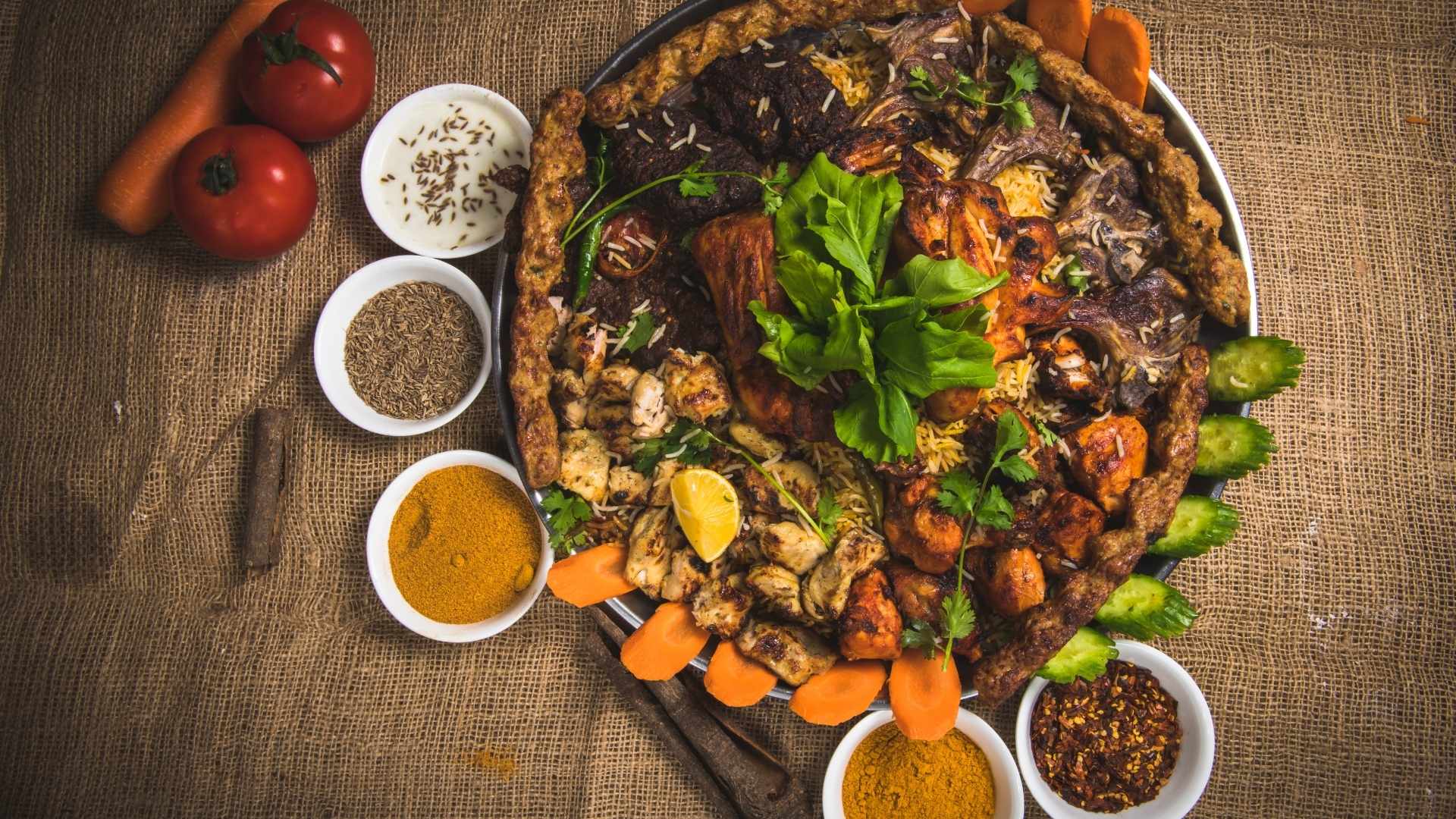
Food and Hospitality
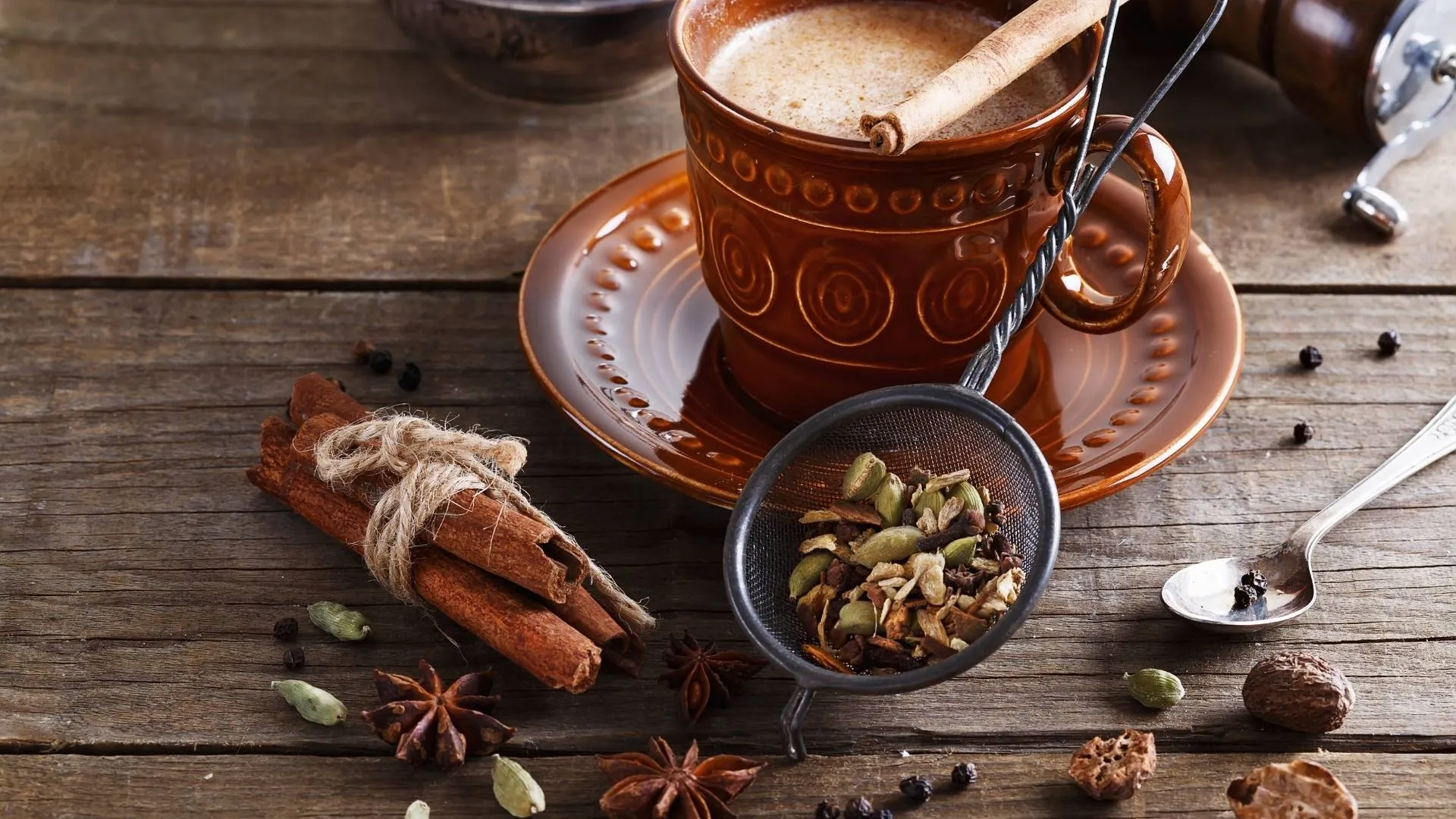
Understanding Urdu enhances your culinary experience:
- Chai (چائے): Tea - the social glue of Pakistani culture
- Biryani (بریانی): The beloved rice dish
- Mithai (مٹھائی): Sweets
- Daal (دال): Lentils
- Roti (روٹی): Bread
Knowing these words helps you navigate menus and understand the cultural significance of food in Pakistani hospitality.
Learning Strategies
Start with Spoken Urdu
Conversational Focus: Begin with everyday phrases and common expressions
Listen Actively: Watch Urdu dramas, listen to music, and immerse yourself in the sounds
Practice with Native Speakers: Nothing beats real conversation for building fluency
Master the Script Gradually
Learn the Alphabet: Start with the 38 letters and their various forms
Practice Writing: Regular practice helps internalize the script
Read Simple Texts: Children’s books and simple stories are great starting points
Use Multiple Resources
Language Apps: Duolingo, Memrise, and specialized Urdu apps
Online Courses: Structured learning with video lessons and exercises
Language Exchange: Connect with native speakers for mutual learning
Immersion: If possible, spend time in Pakistan or Urdu-speaking communities
Urdu and Hindi: Siblings, Not Twins
Urdu and Hindi share a common grammatical structure and much vocabulary, but they’re distinct languages:
Similarities:
- Basic grammar and sentence structure
- Everyday conversational vocabulary
- Mutual intelligibility in spoken form
Differences:
- Script (Urdu uses Persian script, Hindi uses Devanagari)
- Formal vocabulary (Urdu borrows from Persian/Arabic, Hindi from Sanskrit)
- Cultural and literary traditions
Learning Urdu essentially gives you access to Hindi as well, doubling your linguistic reach.
Cultural Nuances
Respect and Formality
Urdu has built-in levels of formality:
- Aap (آپ): Formal “you” (respectful)
- Tum (تم): Informal “you” (friends, peers)
- Tu (تو): Very informal “you” (close friends, children)
Using the appropriate form shows cultural awareness and respect.
Poetry in Conversation
Urdu speakers often quote poetry in everyday conversation. A well-placed couplet can express complex emotions or situations perfectly. This cultural practice makes conversations rich and layered.
The Urdu Learning Journey
Beginner Level (3-6 months)
- Master the script
- Learn basic greetings and phrases
- Understand simple sentences
- Build a vocabulary of 500-1000 words
Intermediate Level (6-12 months)
- Hold basic conversations
- Read simple texts
- Understand Urdu media with some difficulty
- Expand vocabulary to 2000-3000 words
Advanced Level (1-2 years)
- Engage in complex discussions
- Appreciate poetry and literature
- Understand regional variations
- Express nuanced thoughts and emotions
Resources for Learning
Online Platforms
- Urdu Pod 101: Comprehensive audio lessons
- Rekhta: Largest online repository of Urdu poetry
- BBC Urdu: News and content for language practice
Books
- “Teach Yourself Urdu” by David Matthews
- “Urdu: An Essential Grammar” by Ruth Laila Schmidt
- Children’s books in Urdu for reading practice
Media
- Pakistani dramas (excellent for learning conversational Urdu)
- Coke Studio Pakistan (music with Urdu lyrics)
- Urdu news channels for formal language
Beyond Language: Cultural Understanding
Learning Urdu isn’t just about words and grammar—it’s about understanding:
Tehzeeb (تہذیب): The concept of refined culture and manners
Adab (ادب): Respect, literature, and proper conduct
Mohabbat (محبت): Love in its many forms, a central theme in Urdu poetry
Gham (غم): Sorrow, often beautifully expressed in Urdu literature
These concepts are deeply embedded in the language and culture, and understanding them enriches your learning experience.
Conclusion
Learning Urdu is a journey into one of the world’s most beautiful and expressive languages. It’s a gateway to understanding Pakistani culture, appreciating sublime poetry, and connecting with millions of people across the globe. Whether you’re drawn to its literary heritage, planning to visit Pakistan, or simply love learning languages, Urdu offers rewards that go far beyond communication.
The language’s ability to express deep emotions, its rich poetic tradition, and its cultural significance make it a worthwhile pursuit for any language enthusiast. As you learn Urdu, you’re not just acquiring a new skill—you’re opening a window to a rich cultural world.
Ready to start your Urdu learning journey? Check out our Urdu language courses designed for all levels, from complete beginners to advanced learners.