'%3e%3cpath%20fill='%23000000'%20d='M%20187.351562%20355.476562%20C%20231.136719%20329.285156%20268.164062%20300.445312%20297.363281%20271.015625%20C%20334.195312%20233.894531%20358.582031%20195.84375%20368.378906%20160.996094%20C%20374.691406%20138.550781%20374.953125%20117.4375%20368.59375%2098.757812%20C%20357.335938%2065.6875%20318.261719%2019.476562%20269.023438%2022.695312%20C%20262.789062%2023.105469%20256.894531%2024.269531%20251.339844%2026.003906%20C%20211.660156%2038.40625%20189.488281%2080.054688%20187.351562%2084.21875%20C%20185.101562%2079.851562%20160.792969%2034.183594%20117.328125%2024.382812%20C%20113.585938%2023.539062%20109.703125%2022.960938%20105.675781%2022.699219%20C%2056.4375%2019.476562%2017.359375%2065.6875%206.105469%2098.757812%20C%200.601562%20114.921875%200.0585938%20132.910156%204.097656%20152.007812%20C%2011.980469%20189.238281%2037.304688%20230.675781%2077.332031%20271.015625%20C%20106.535156%20300.441406%20143.558594%20329.285156%20187.347656%20355.476562%20Z%20M%2030.117188%20124.824219%20C%2030.492188%20123.480469%2030.894531%20122.152344%2031.347656%20120.839844%20C%2041.03125%2092.375%2074.667969%2052.597656%20117.050781%2055.367188%20C%20160.742188%2058.21875%20185.25%20104.234375%20187.351562%20108.320312%20C%20189.449219%20104.234375%20213.957031%2058.21875%20257.652344%2055.367188%20C%20300.035156%2052.59375%20333.667969%2092.371094%20343.359375%20120.839844%20C%20343.804688%20122.15625%20344.214844%20123.484375%20344.585938%20124.824219%20C%20355.957031%20165.894531%20331.910156%20219.589844%20280.136719%20271.015625%20C%20255.304688%20295.683594%20224.09375%20319.828125%20187.351562%20341.808594%20C%20150.609375%20319.832031%20119.402344%20295.6875%2094.566406%20271.015625%20C%2042.796875%20219.589844%2018.75%20165.894531%2030.117188%20124.824219%20Z%20M%2030.117188%20124.824219%20'%20fill-opacity='1'%20fill-rule='nonzero'/%3e%3c/g%3e%3cpath%20fill='%23ffffff'%20d='M%20218.261719%20259.667969%20C%20243.511719%20259.667969%20265.257812%20242.285156%20275.085938%20217.28125%20C%20274.171875%20218.359375%20273.222656%20219.414062%20272.230469%20220.4375%20C%20248.609375%20244.777344%20212.445312%20242.3125%20191.449219%20214.929688%20C%20170.453125%20187.542969%20172.578125%20145.609375%20196.199219%20121.265625%20C%20197.191406%20120.242188%20198.207031%20119.269531%20199.242188%20118.34375%20C%20174.066406%20127.671875%20155.835938%20155.011719%20155.835938%20187.292969%20C%20155.835938%20227.261719%20183.785156%20259.664062%20218.261719%20259.664062%20Z%20M%20218.261719%20259.667969%20'%20fill-opacity='1'%20fill-rule='nonzero'/%3e%3cpath%20fill='%23ffffff'%20d='M%20244.90625%20178.804688%20L%20252.550781%20163.679688%20L%20267.316406%20167.433594%20L%20257.273438%20154.332031%20L%20264.914062%20139.214844%20L%20251.066406%20146.238281%20L%20241.023438%20133.136719%20L%20242.503906%20150.582031%20L%20228.65625%20157.609375%20L%20243.421875%20161.359375%20Z%20M%20244.90625%20178.804688%20'%20fill-opacity='1'%20fill-rule='nonzero'/%3e%3c/svg%3e)
· Talha Abdullah · Food & Culture · 6 min read
Pakistani Street Food: A Culinary Adventure
Embark on a flavorful journey through Pakistan's vibrant street food scene, where every bite tells a story of tradition, spice, and culinary creativity.
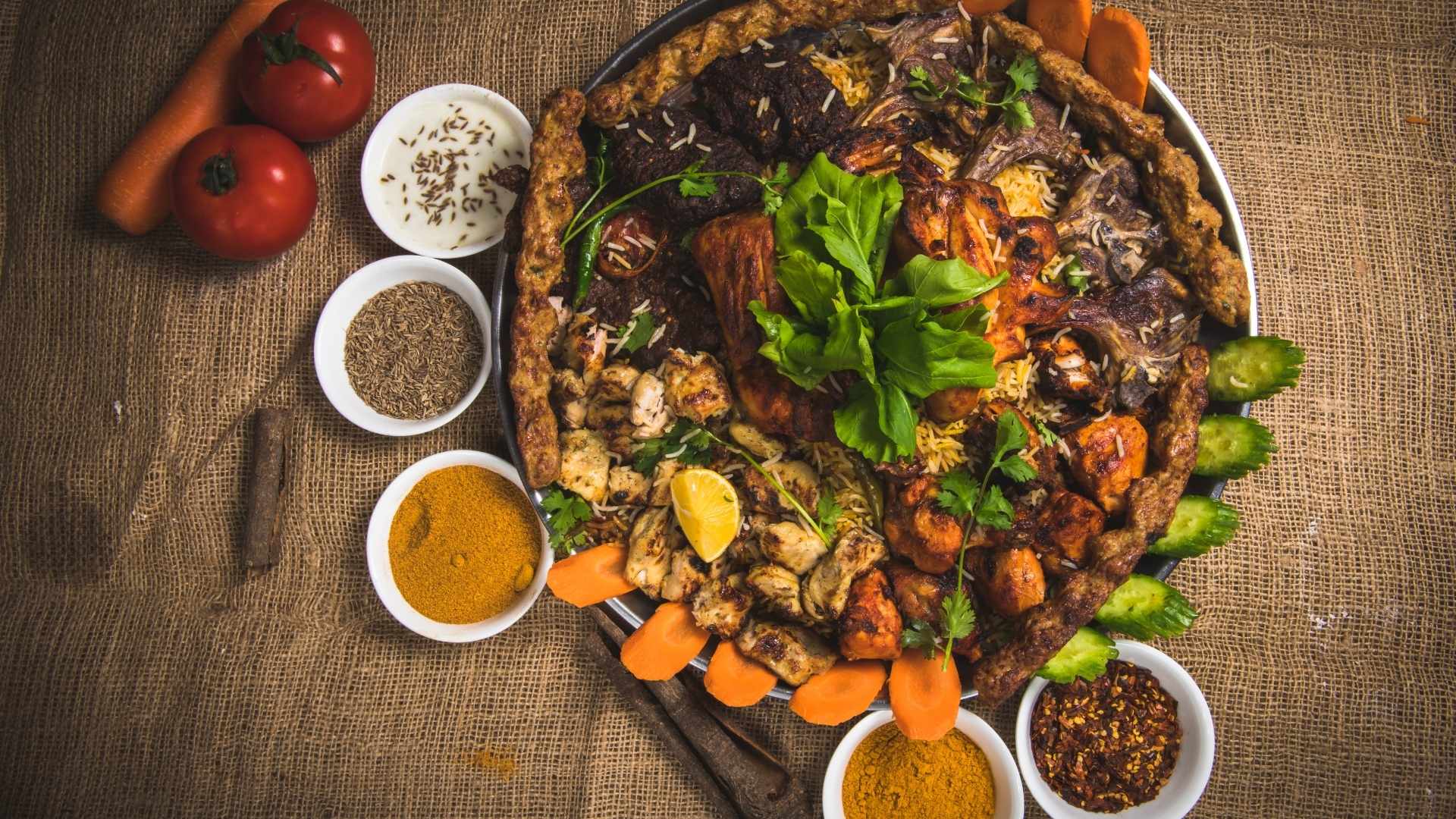
Pakistan’s street food scene is a sensory explosion—a vibrant tapestry of flavors, aromas, and colors that reflects the country’s rich culinary heritage. From the bustling streets of Karachi to the historic lanes of Lahore, street food is not just sustenance; it’s a cultural experience, a social ritual, and an art form.
The Soul of Pakistani Cuisine
Street food in Pakistan is where tradition meets innovation, where ancient recipes are passed down through generations while new flavors constantly emerge. It’s affordable, accessible, and absolutely delicious—a true reflection of Pakistani hospitality and culinary creativity.
Why Street Food Matters
In Pakistan, street food is:
- Democratic: Enjoyed by everyone, regardless of social status
- Social: A gathering point for communities
- Authentic: Recipes unchanged for generations
- Diverse: Reflecting Pakistan’s regional variety
Iconic Pakistani Street Foods
Gol Gappay (Pani Puri)
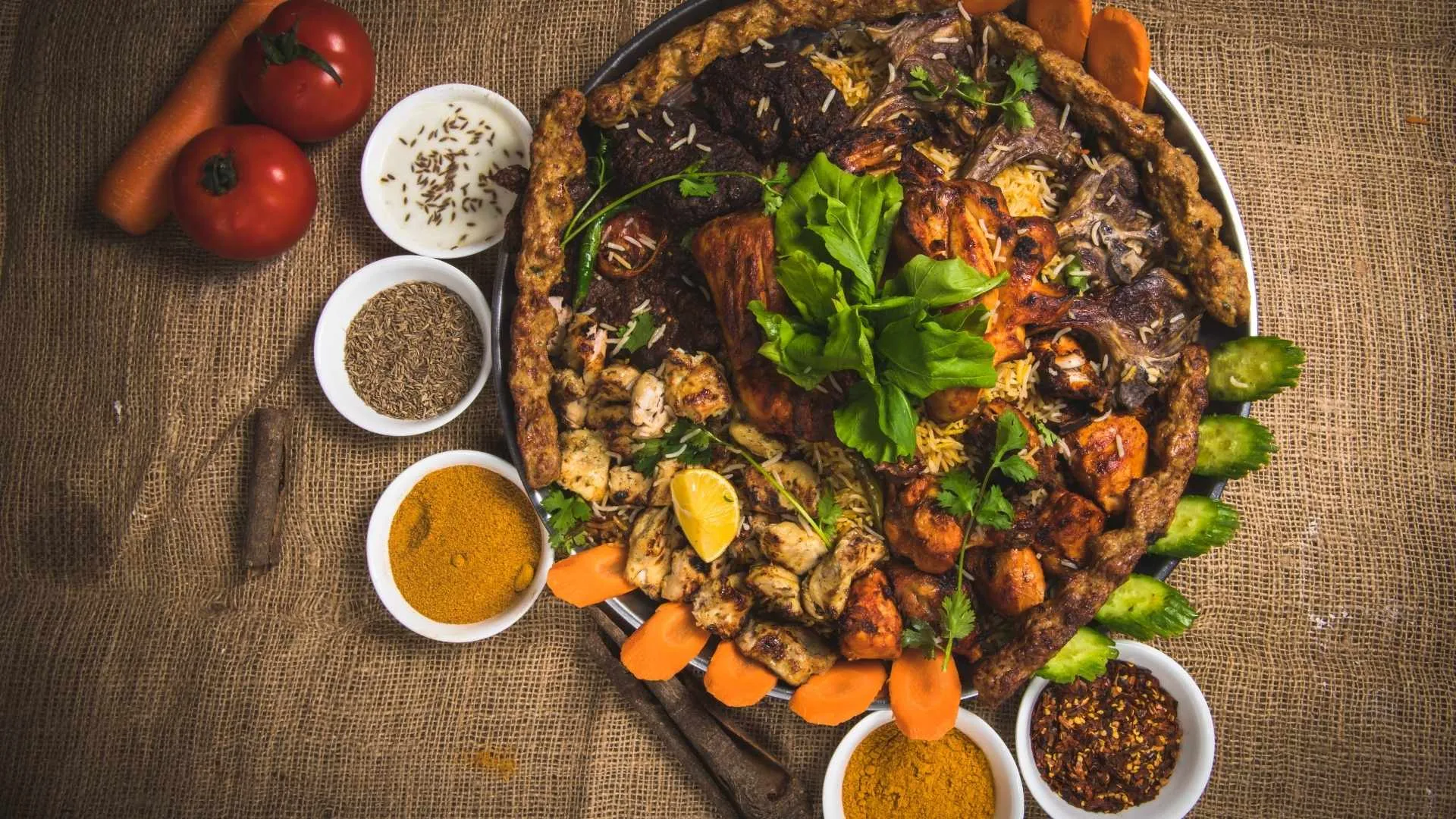
These crispy, hollow spheres filled with spicy tamarind water are Pakistan’s most beloved street snack. The vendor fills each gappa with chickpeas, potatoes, and tangy-spicy water, creating an explosion of flavors in your mouth.
Where to Try: Every street corner, but Karachi’s Burns Road and Lahore’s Anarkali are legendary
Pro Tip: Ask for “teekha” (spicy) or “meetha” (sweet) water based on your preference
Seekh Kebabs
Minced meat (usually beef or mutton) mixed with spices, herbs, and onions, molded onto skewers and grilled over charcoal. The smoky flavor and juicy texture make these irresistible.
Best Served With: Fresh naan, mint chutney, and sliced onions
Famous Spots: Lakshmi Chowk (Lahore), Burns Road (Karachi)
Biryani
While technically a full meal, biryani is often sold from street-side stalls and is a Pakistani obsession. Fragrant basmati rice layered with spiced meat, cooked in a sealed pot to perfection.
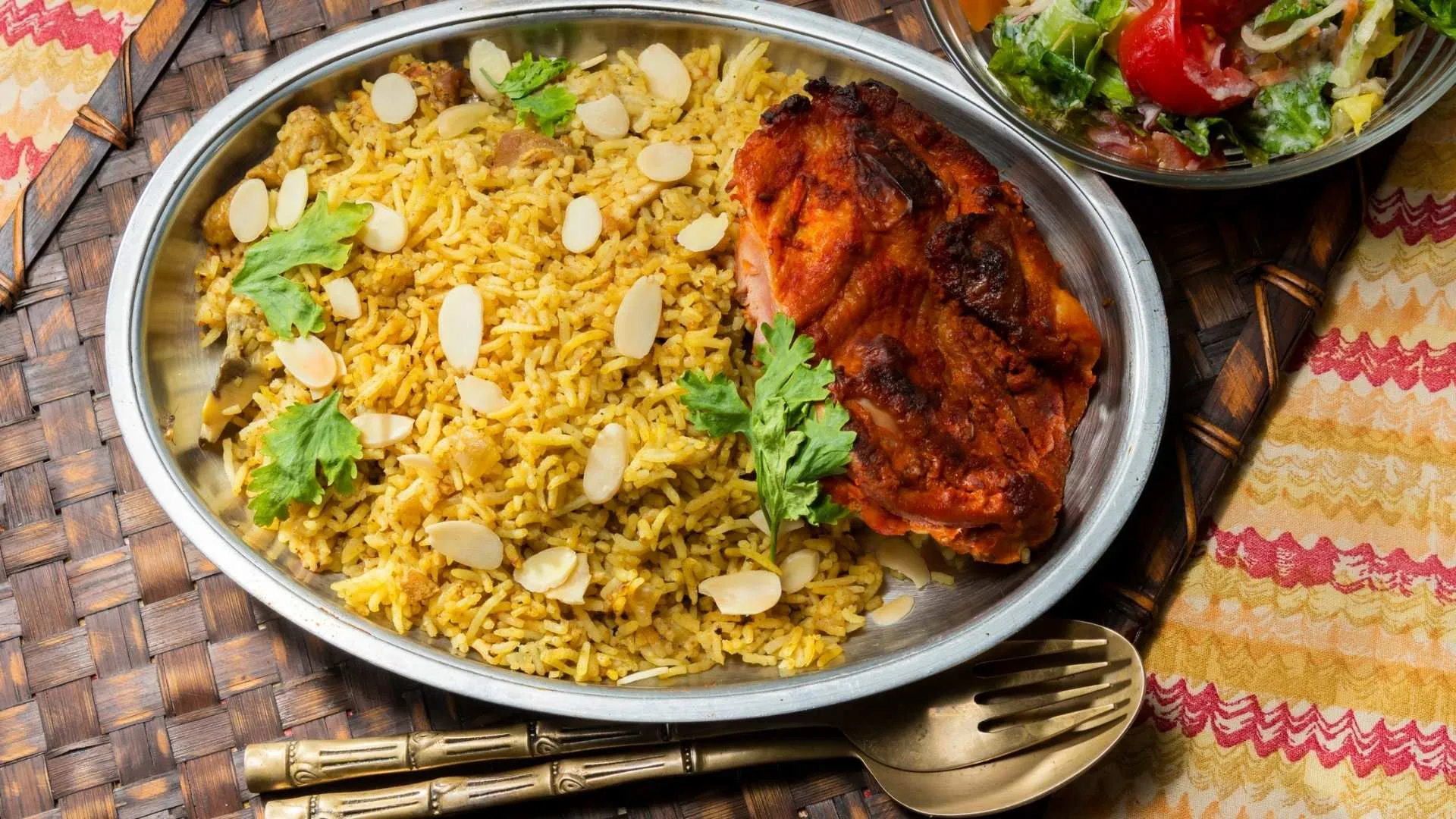
Regional Variations:
- Karachi Biryani: Spicier, with potatoes
- Lahori Biryani: Milder, aromatic
- Sindhi Biryani: Tangy, with dried plums
Samosas
The triangular pastry filled with spiced potatoes, peas, and sometimes meat is a Pakistani staple. Crispy on the outside, flavorful on the inside, perfect with tamarind chutney.
Variations:
- Aloo Samosa: Potato filling (vegetarian)
- Qeema Samosa: Minced meat filling
- Cheese Samosa: Modern fusion variety
Chaat
A category of savory snacks that includes:
Dahi Bhalla: Lentil dumplings in yogurt with tamarind chutney
Papri Chaat: Crispy wafers with chickpeas, potatoes, yogurt, and chutneys
Fruit Chaat: Fresh fruits with spices and lemon—surprisingly addictive
Aloo Tikki: Potato patties served with chutneys
Nihari
This slow-cooked meat stew is traditionally a breakfast dish but available throughout the day. The rich, spicy gravy is perfect with naan.
The Experience: Watching the vendor ladle the thick gravy, garnish with ginger, green chilies, and lemon, then serve it with fresh naan is part of the ritual.
Halwa Puri
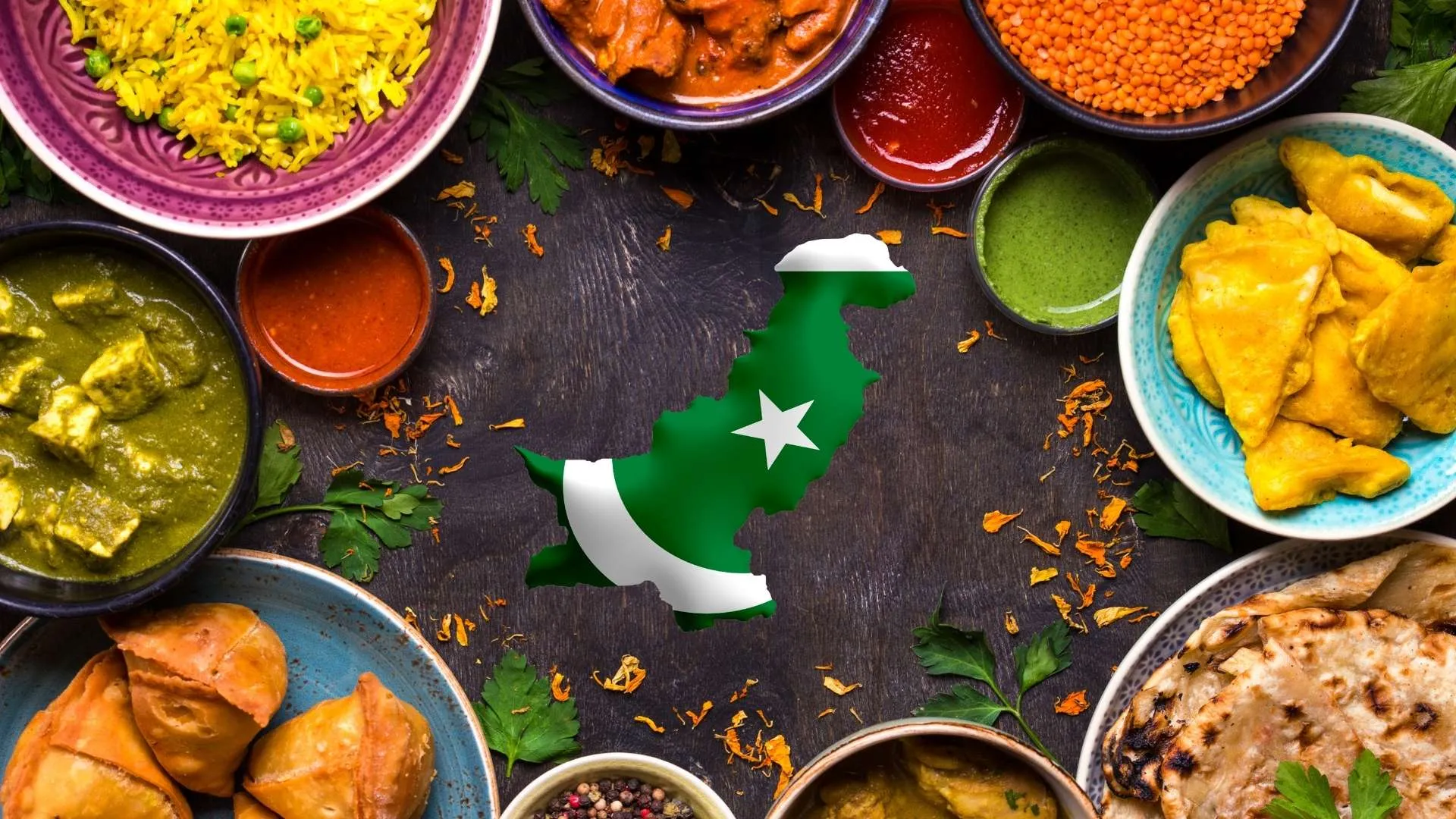
The ultimate Pakistani breakfast: sweet semolina halwa, crispy fried bread (puri), and spicy chickpea curry (channay). This combination is a weekend tradition for many families.
Best Time: Sunday mornings at traditional breakfast spots
Accompaniments: Pickles, lassi (yogurt drink)
Bun Kebab
Pakistan’s answer to the burger—a spicy meat patty (or lentil patty for vegetarians) in a bun with chutney, onions, and sometimes an egg. Simple but incredibly satisfying.
Origin: Karachi’s signature street food
Variations: Shami kebab, chapli kebab, or daal (lentil) versions
Jalebi
These bright orange, pretzel-shaped sweets are made by deep-frying batter in circular shapes and soaking them in sugar syrup. Crispy outside, syrupy inside, best eaten hot.
Perfect Pairing: With hot milk or rabri (thickened milk)
When to Eat: Breakfast or as a sweet snack
Kulfi and Falooda
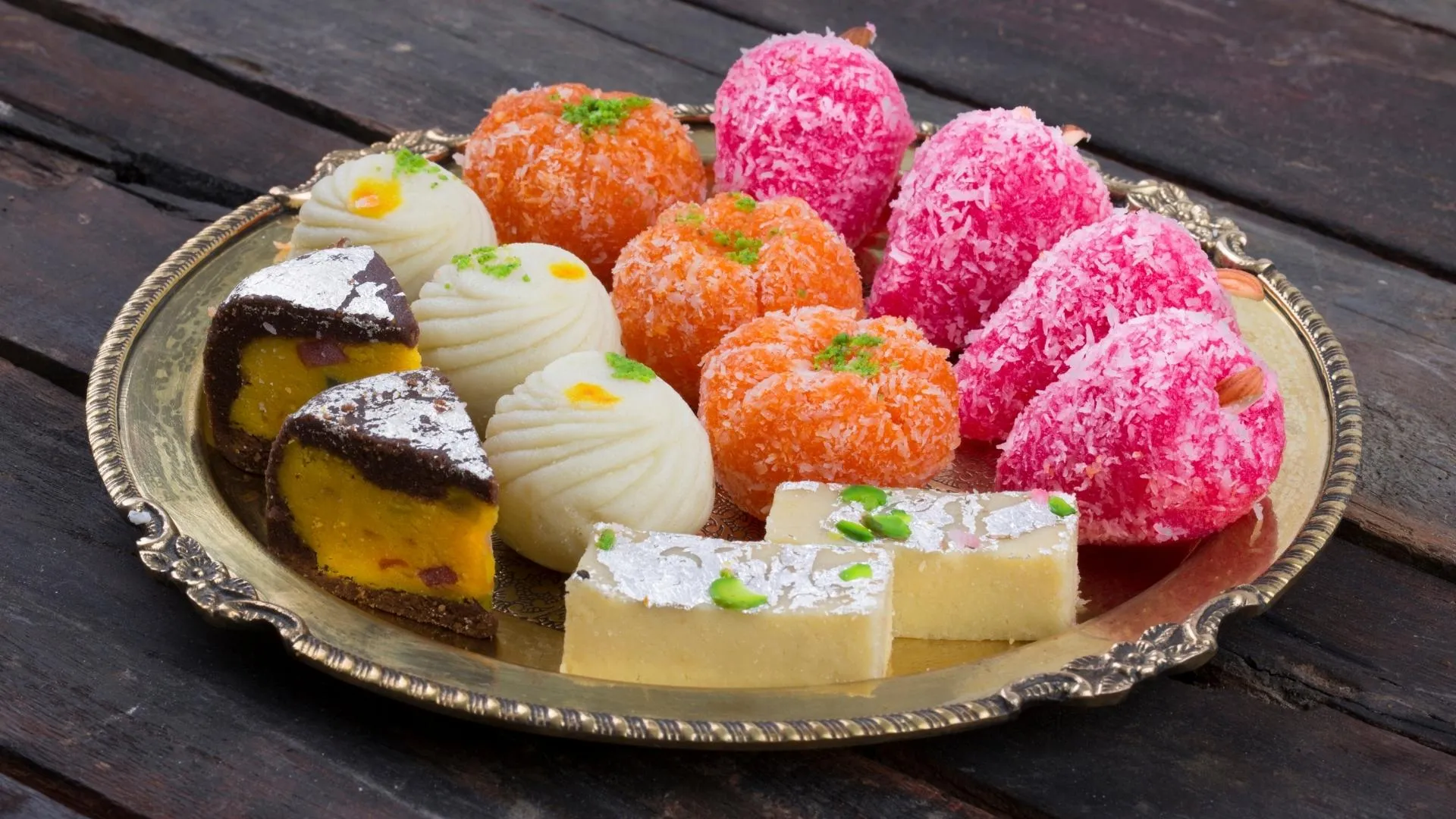
Kulfi: Traditional ice cream made with thickened milk, cardamom, and pistachios—denser and creamier than regular ice cream
Falooda: A sweet drink with rose syrup, vermicelli, basil seeds, and ice cream
Best Season: Summer, though enjoyed year-round
Regional Specialties
Lahore: The Food Capital
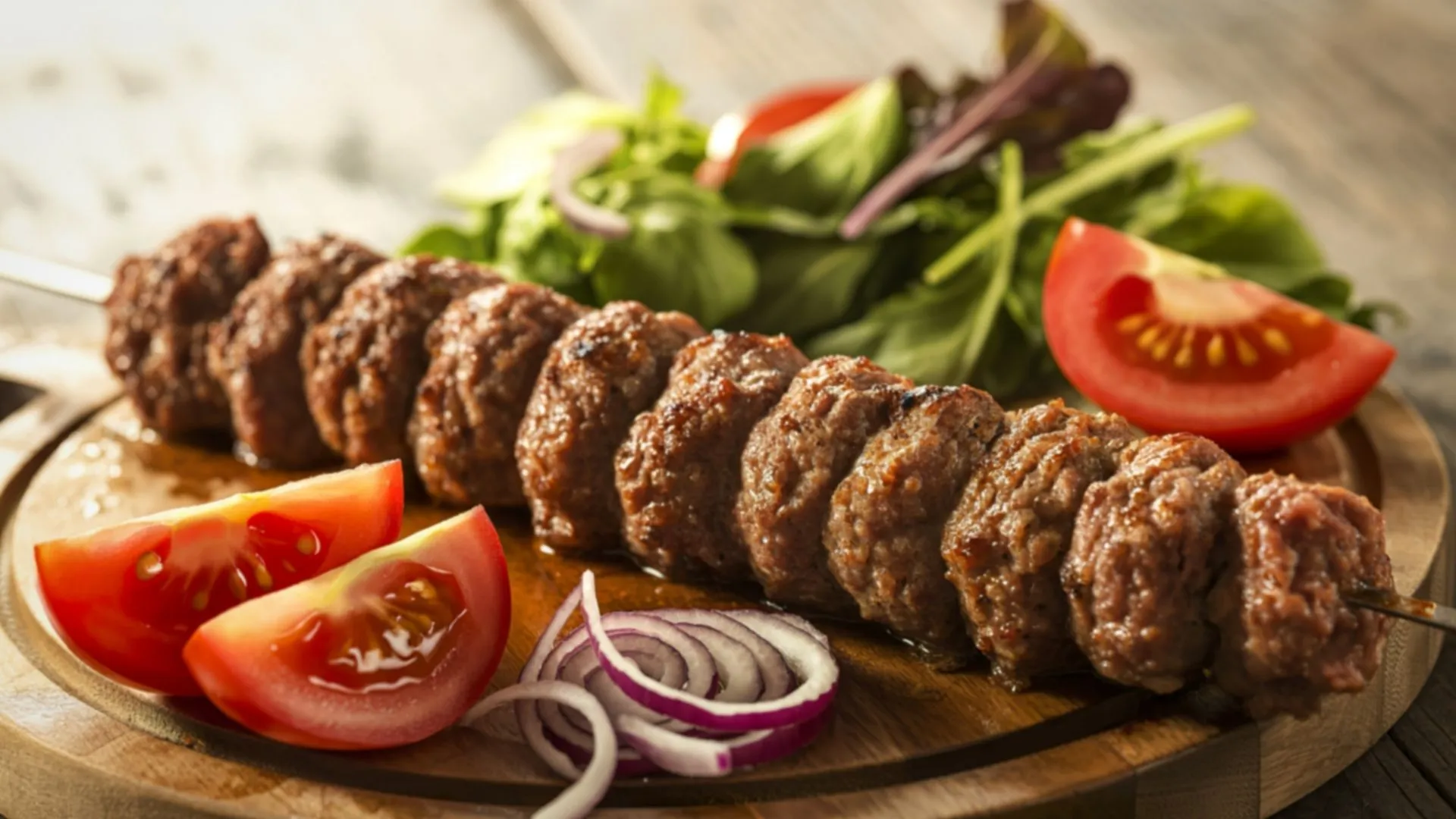
- Taka Tak: Organ meat cooked on a flat griddle with the rhythmic sound of spatulas
- Paya: Slow-cooked trotters in rich gravy
- Phajjay ka Salan: Lamb feet curry
- Lassi: Thick yogurt drink, sweet or salty
Karachi: Coastal Flavors
- Bun Kebab: The city’s signature dish
- Karachi Biryani: Spicier than other versions
- Nihari: Particularly famous in Karachi
- Rabri: Thickened milk dessert
Peshawar: Pashtun Delights
- Chapli Kebab: Flat, spiced meat patties
- Namkeen Karahi: Salty meat curry
- Peshawari Ice Cream: Unique flavors like rabri and pistachio
Multan: The City of Saints and Sweets
- Sohan Halwa: A traditional sweet made with milk, sugar, and nuts
- Multani Milk: Flavored milk drinks
- Multani Samosas: Larger and spicier than elsewhere
The Street Food Experience
The Vendors
Street food vendors are artists and entrepreneurs. Many have been perfecting their craft for decades, some carrying on family traditions spanning generations. They take immense pride in their food and reputation.
The Atmosphere
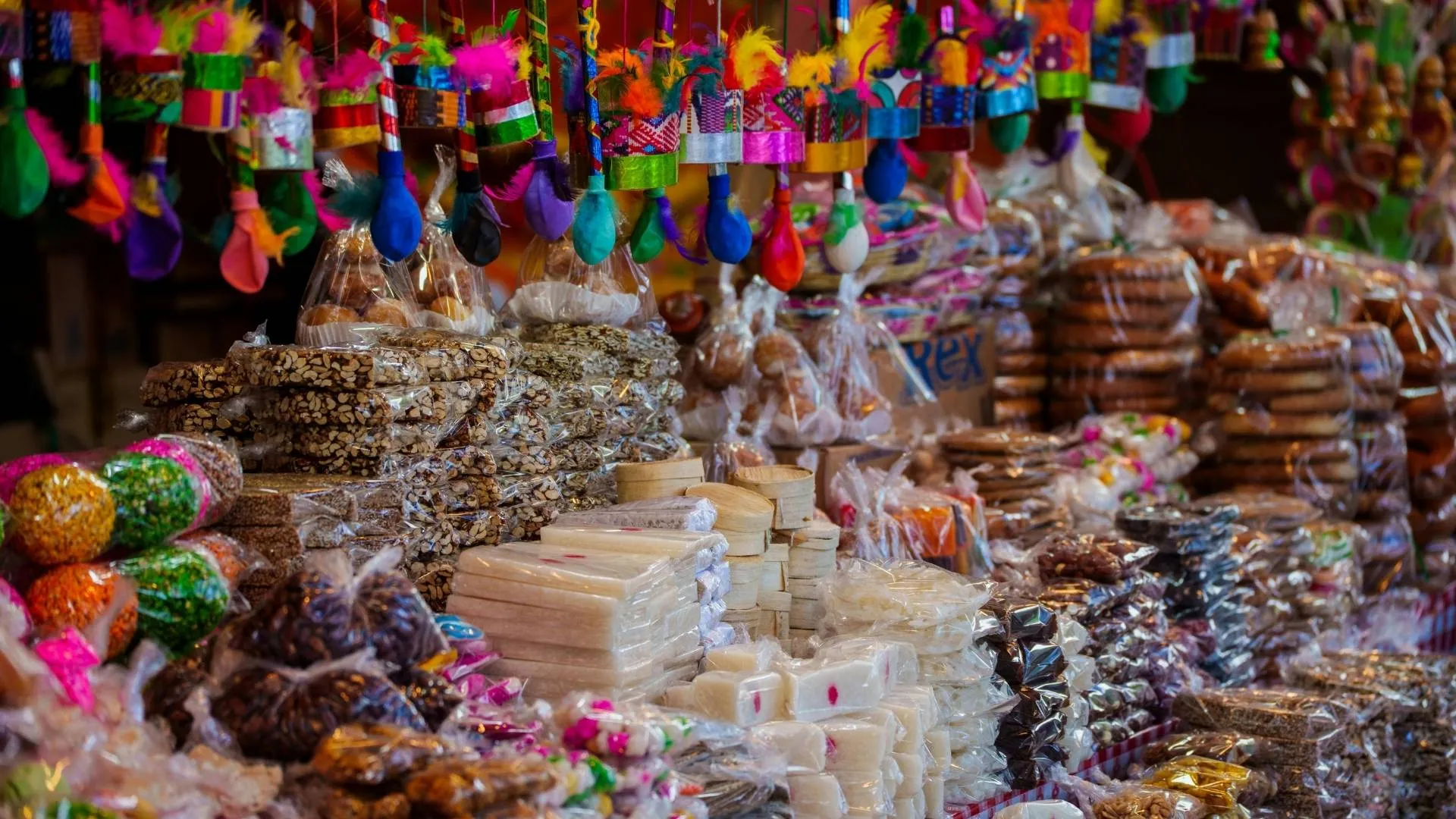
Street food is best enjoyed:
- Standing: At the stall, watching the preparation
- Socially: With friends or family
- Casually: No formality, just pure enjoyment
- Adventurously: Trying new things
The Ritual
Eating street food in Pakistan involves:
- Watching: The preparation is part of the experience
- Customizing: Tell the vendor your spice preference
- Sharing: Food is meant to be shared
- Savoring: Take your time, enjoy the flavors
Health and Safety Tips
While street food is generally safe, follow these guidelines:
Choose Wisely:
- Look for busy stalls (high turnover means fresh food)
- Watch the preparation process
- Ensure food is cooked thoroughly
Start Slowly:
- If you’re not used to spicy food, start mild
- Let your stomach adjust to new flavors
- Stay hydrated
Hygiene:
- Vendors with clean setups are usually safer
- Avoid raw items if you’re concerned
- Carry hand sanitizer
The Social Aspect
Chai Culture
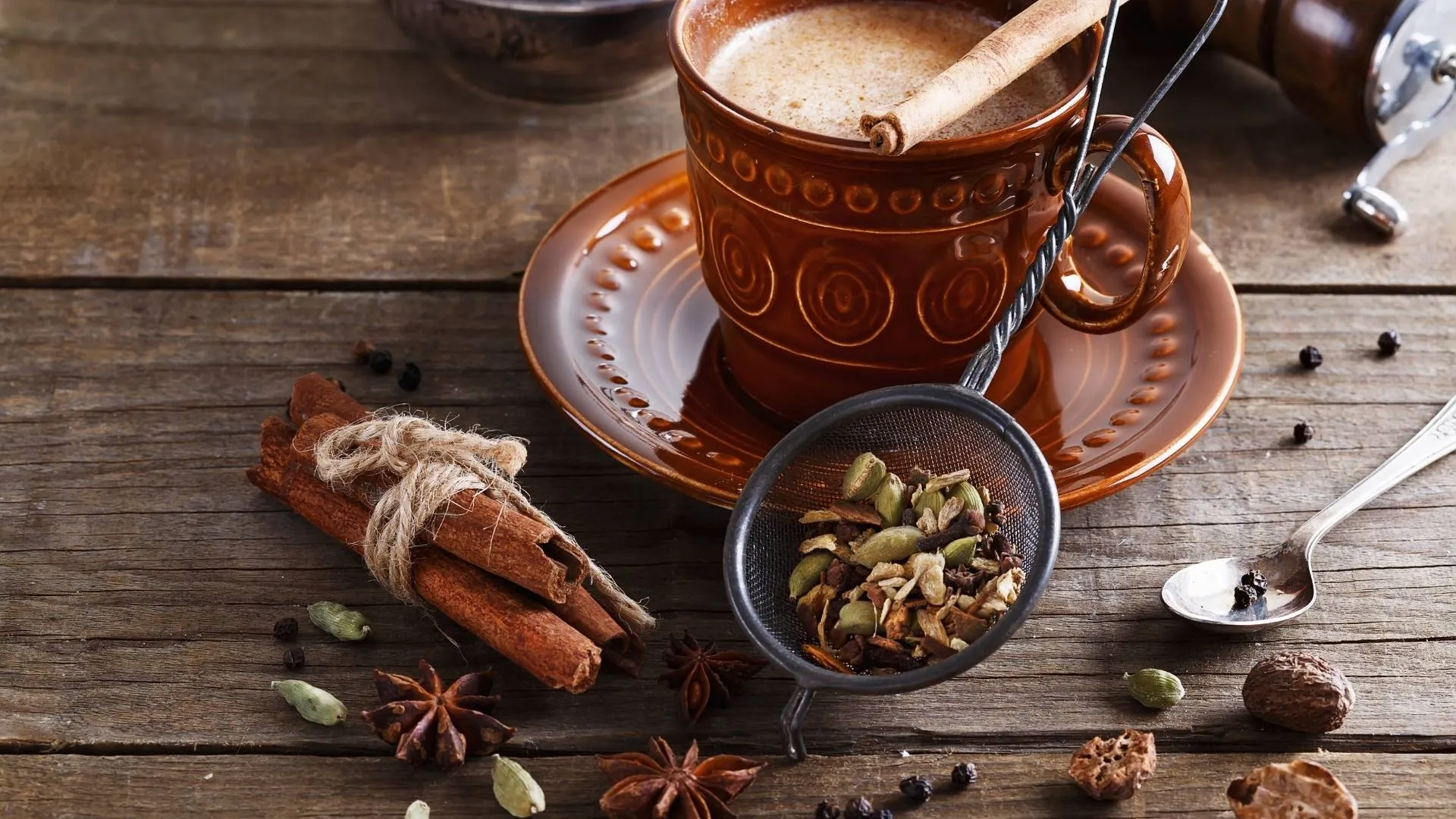
No street food experience is complete without chai (tea). Pakistanis drink tea throughout the day, and street-side tea stalls are social hubs where people gather to chat, debate, and watch the world go by.
Types of Chai:
- Doodh Patti: Milk tea with strong flavor
- Kashmiri Chai: Pink tea with nuts
- Green Tea: Less common but available
Food Streets
Modern food streets combine traditional street food with a more organized setting:
Lahore:
- Gawalmandi Food Street
- Fort Road Food Street
- Liberty Food Street
Karachi:
- Burns Road
- Boat Basin
- Do Darya
Economic Impact
Street food is a significant part of Pakistan’s economy:
- Provides livelihoods for thousands of families
- Preserves culinary traditions
- Attracts tourism
- Keeps food affordable for all
Modern Evolution
While traditional recipes remain popular, Pakistani street food is evolving:
Fusion Foods:
- Pizza samosas
- Biryani burgers
- Nutella parathas
Health-Conscious Options:
- Grilled instead of fried
- Whole wheat options
- Fresh juice stalls
Social Media Influence:
- Instagram-worthy presentations
- Food bloggers promoting hidden gems
- Online delivery of street food
Best Times to Explore
Evening (6 PM - 11 PM): When most food streets come alive
Weekend Mornings: For traditional breakfast items
Ramadan Nights: Special items and extended hours during the holy month
Winter: More comfortable for outdoor eating
Conclusion
Pakistani street food is more than just eating—it’s an immersion into the country’s culture, history, and soul. Each dish tells a story of migration, adaptation, and creativity. The flavors are bold, the portions generous, and the experience unforgettable.
Whether you’re biting into a crispy samosa, savoring the complex flavors of biryani, or cooling down with kulfi on a hot day, Pakistani street food offers an authentic taste of the country’s warmth and hospitality. It’s where strangers become friends over shared plates, where recipes passed down through generations continue to delight, and where every meal is a celebration.
So come hungry, come curious, and come ready for a culinary adventure that will leave you craving more long after you’ve left Pakistan’s vibrant streets.
Want to explore Pakistan’s street food scene with a local guide? Join our Food Street Night Tour and taste the best of Lahore’s culinary offerings.